Showing posts with label shophouses. Show all posts

Sunday, April 17, 2011

A walk in Katong, Singapore

Welcome!

I recently went on a walk in Katong, an area in the East of Singapore, near the sea, that does not fit the common image of Singapore as a modern, sterilised city. Back alleys often offer some unexpected and interesting photo opportunities.

Come with me on the walk and see another side to Singapore.

This house is on Joo Chiat Road. It is possibly owned by Malaysians as the warrior statue in the front garden is Malay. He is carrying a kris sword in its scabbard.


Traditional barbers shop, also selling
statues


The morning light catches this house nicely.
A Buddhist shrine stands right in front of the
entrance. On the right is a chimney where the
Chinese worshippers usually burn prayers and
offerings


The front room really is the front room. Katong
was the location of many villas and mansions of
the wealthy elite in the late 19th to the mid
20th centuries


A more traditional shophouse front. Katong is
famous for its Eurasian and Peranakan
(Straits Chinese) communities and restaurants


These terraced houses are very traditional.
I haven't seen any others like this in Singapore


The houses have been recently
restored
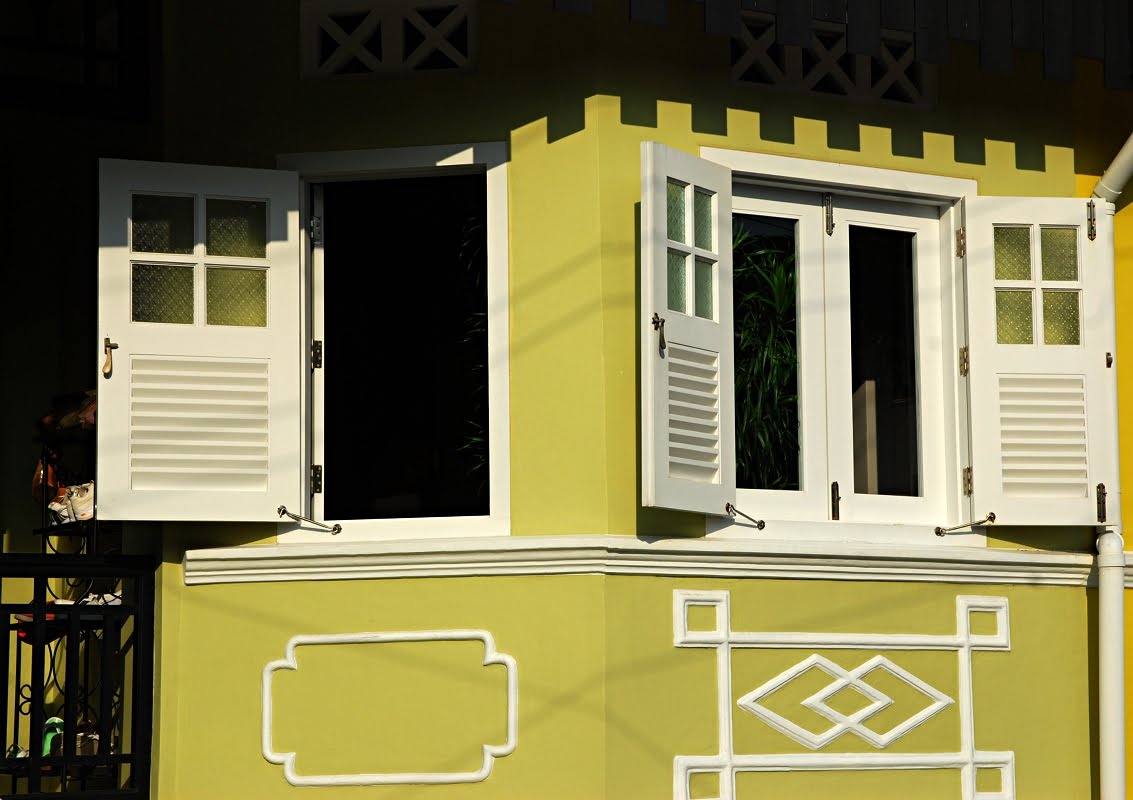


Something special that has been preserved
in this modern city


Love this colourful fence


A green form of transport with a very green
passenger!


The whole street has these half doors and
half windows


In the heart of Katong there is also a Hindu
temple called Sri Senpaga Vinayagar Temple
It represents the Ceylonese Hindus who were
one of the earliest groups of immigrants in
Singapore


The temple is situated on Ceylon Road. Lord
Vinayagar is more commonly known as Ganesha
the Elephant God. It is the second oldest temple
of Singapore, although it has been restored on
several occasions
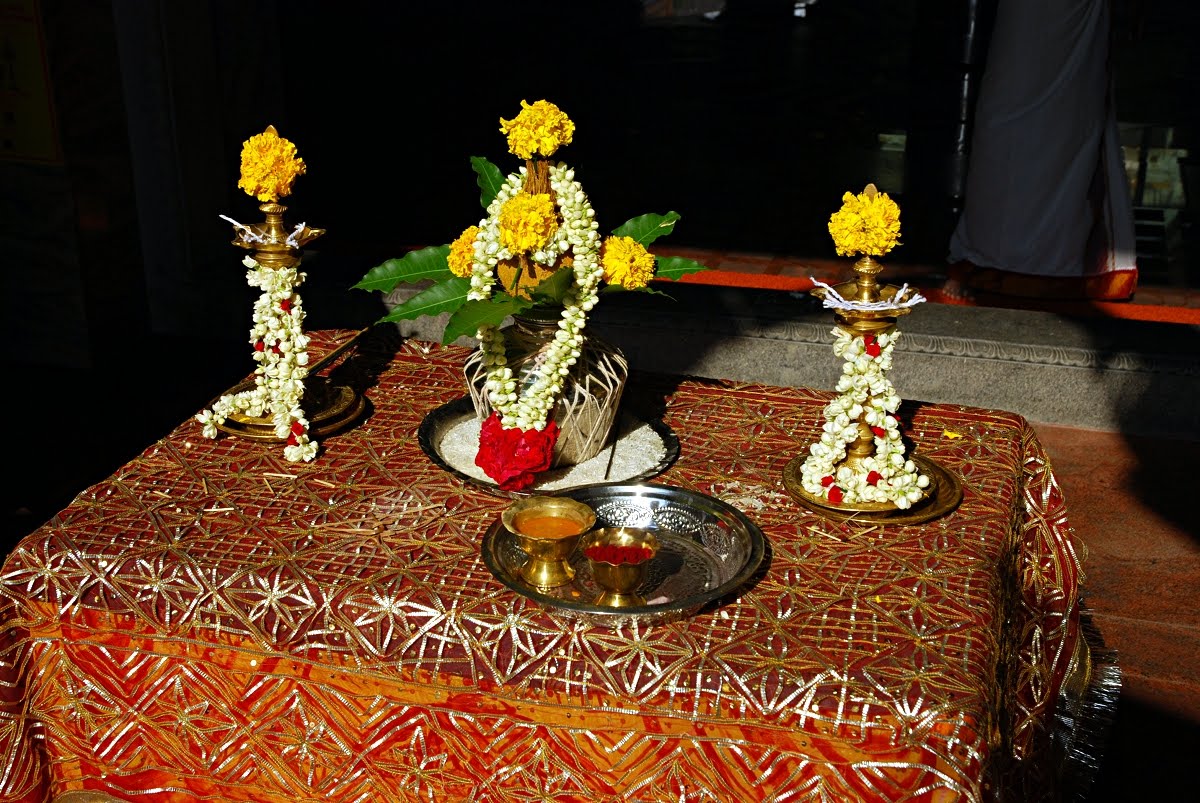


The morning sun falls on this little shrine
at the entrance to the temple


The temple is built following the architectural
style that was favoured in the ancient Chola
kingdom of India. This is the Inside of the temple


Lord Vinayagar represents knowledge and is
considered to be the remover and destroyer of
obstacles


These ladies adorn the left wall to the side of
the entrance


Great colour and lovely windows


The damage to the window looks like a gunshot?


Fabulous building


Detail of a beautifully refurbished
shophouse


More colourful shophouses on the other side
of the road


These staircases at the back
are traditional


I posted these chappies on facebook. Just
dig the footwear!


The owner explained that the pavement gets
very hot so their paws need protecting


Another example of the traditional
back staircase
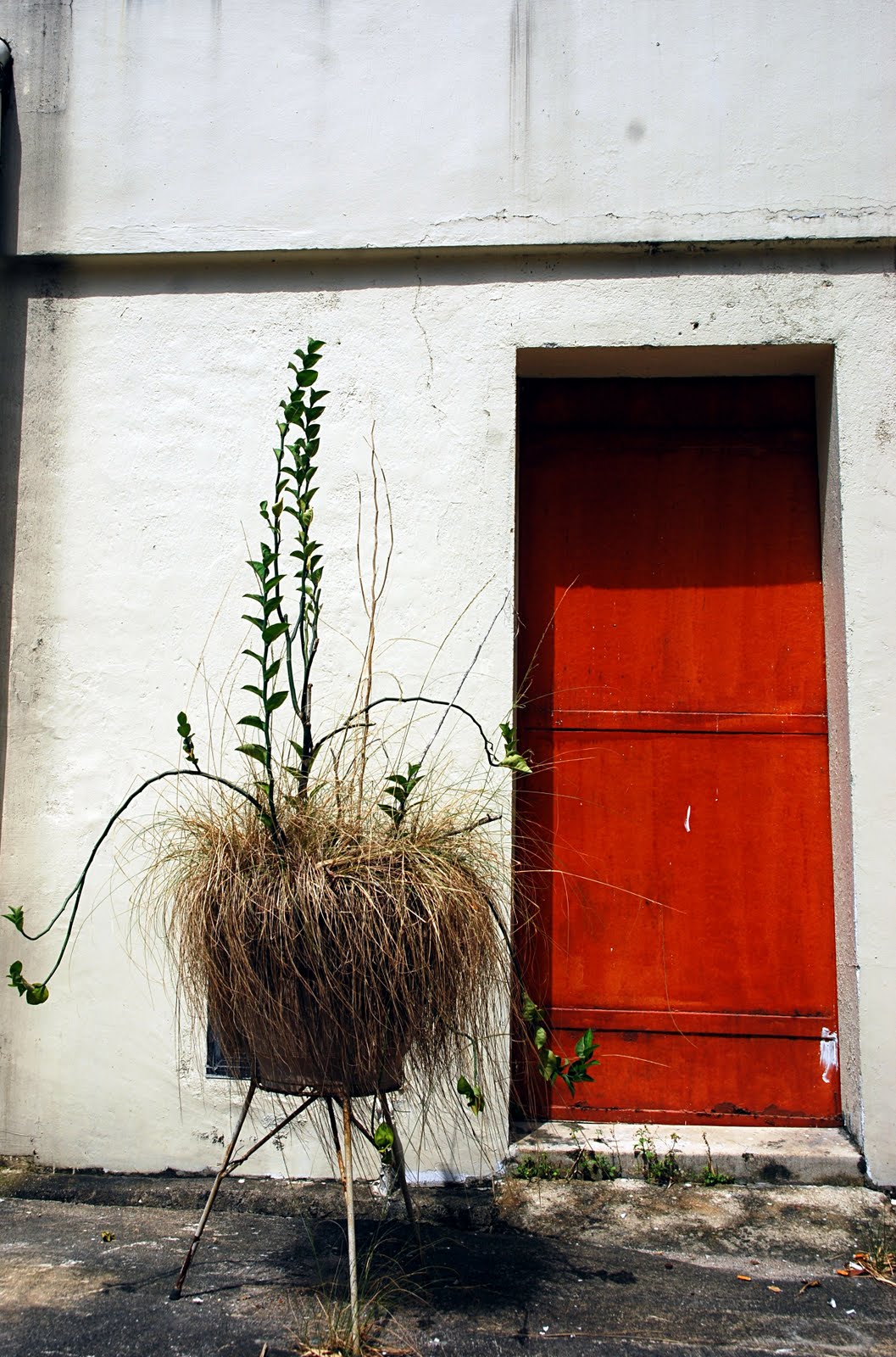


Now a few back alley photos


Fantastic urns, possibly used for burning. You
can see a grate on the side of the urn at the bottom
on the right


A metal door provides interesting
reflections of what's in the alley


A doormop!


Fancy a tartlet?


Chairs that have probably been washed and
put out to dry


Ceremonial products for burning at Chinese
funerals are an important part of burying the dead.
Most traditionally people burn paper (fake) money


The reason is that the deceased will
need money in the afterlife. Recently,
more and more elaborate paper
constructions of cars, electronic gadgets
and even houses and maids can be bought
to burn and ensure the deceased has a
luxury afterlife!


"Motorbikes" for burning

Thanks for coming. Next time some photos of
Spring in a UK park

Sunday, April 04, 2010

Georgetown, Penang, Malaysia - streets and shophouses

Hello and welcome to the island of Penang! Daniela and I went there last week on a short 4 night break. We had a really memorable time there. We stayed in George Town and explored the hot city streets on foot. This posting shows photos of the lovely shophouses and streets.

The next few issues of my blog will feature the people, the temples, and the beautiful Blue Mansion where we stayed for two nights. But come with me now for a walk around George Town, an old, often run down, but charming and fascinating Malaysian city.


After just an hour's flight from Singapore
we felt we had stepped back in time by about
50 years. The pace of life is seductively
unhurried


George Town, like Malacca, is a UNESCO
World Heritage
site which recognises it's
unparalleled architectural and cultural
townscape in East and Southeast Asia


There was an Armenian
community in Penang before
World War 2. Armenian Street
was perhaps our favourite.
It felt like this was one of the
oldest parts of the city


There's a lot of Green Beer in this shop in
Armenian Street. I'm not sure what else it
sells.....


These Straits Collection Heritage Chinese
Shophouses can be found in Stewart Lane
and there is a row of 4 houses in Armenian
Street


I wonder how much the Chicks are?


Classic Georgetown


While many buildings are showing the signs
of poor maintenance others have clearly had
some proper attention paid to them.
Fantastic colours!


A Wan Tun Mee street stall that wil come alive
in the evening. Mee is noodles, Wan Tun Mee
(or Wanton) noodles are thin Chinese egg
noodles. The noodles are often served with
red barbequed pork (Char siu). Penang is
famous for the quality of its local food


The city including suburbs has
a population of 400,000


The city was founded in 1786 by Captain
Francis Light, a trader for the
British East India Company,
as a base for the company in the Malay States.
By all accounts the way the British took
control of Penang was pretty dodgy with
a list of broken promises


Some of the most run down buildings


Its hard to take a photo without
a moped!


A small front space with
multi-uses


Great corner building on Carnarvon Street


Just charming


Charming and restored!


A lick of paint needed here!


Love Lane backpackers Inn.
There is accommodation to suit
budgets and tastes


Most of George Town's population is of
Chinese origin. The ethnic mix is quite
similar to Singapore. George Town has
its Little India and Chinatown. The Malaysian
Government has always favoured Malays
by giving them special advantages. This has led
to accusations of treating the other Malaysians
as second class citizens in their own country.
The Government is now considering changes
to promote economic growth as the
entrepreneurial Chinese have been
marginalised


Lovely shop with a beautiful staircase


Daniela dressed in the perfect colours for this
shot!


A detail that attracted my attention


Street scene. Traffic can be quite bad on the
roads leading in and out of the centre, but
in the heart of George Town it is often
quieter


I couldn't resist this moped with its durian
carrier. Hated by most non-asians this very
smelly fruit is a delicacy in Southeast Asia.
In most hotels you are banned from taking
it into the lifts, the smell is so awful!


"I've got you in my sights!"


The rickshaw adds much local colour to the
streets of George Town


This final shot is taken in Little India, a
vibrant part of town.

Thanks for visiting George Town with me.
Do come back if you can. Next week a
stunningly beautiful Chinese Heritage House
you can stay in when you go.